
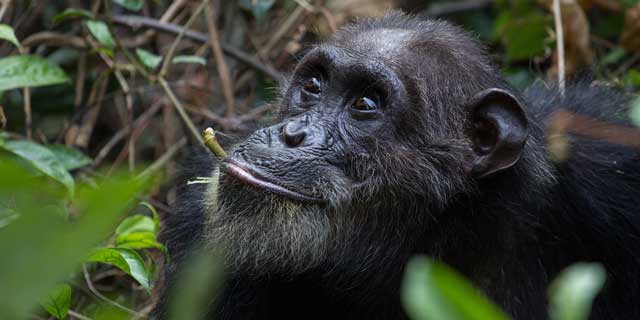
 Starting in the Ivory Coast, we saw how chimpanzees have been honing their skills, handed down through generations, in cracking nuts with the use of rocks and then ably demonstrating dexterity – in transforming a branch into a spoon with which to scoop out the nut contents. See chimps and mountain gorillas on our Uganda Wildlife Adventure holiday.
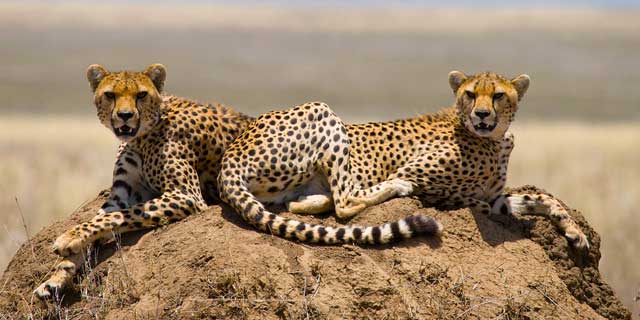 In the vast grasslands of Kenya, some superb camera footage showed how five cheetahs, normally solitary hunters, have pooled resources and are hunting as a team in order to bring down larger prey and increase their chances of a kill. Some of the other best places to see cheetah are in Tanzania or Namibia.
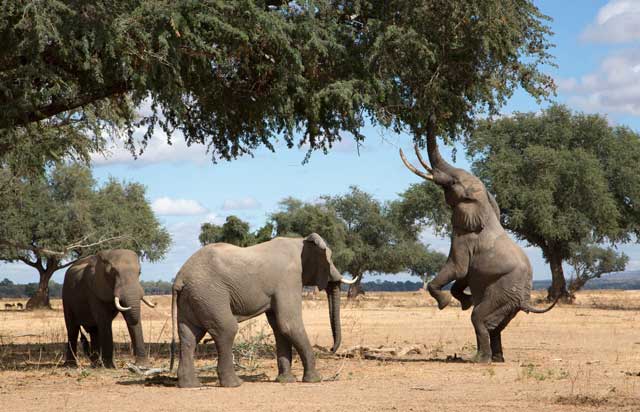 In Zimbabwe, as in the whole of southern Africa, rising temperatures mean that vegetation – essential for sustaining a hungry elephant, which needs up to 90kg per day – is ever harder to find. Some bull elephants have developed the skill of standing on their hind legs in order to reach up to the high branches of apple-ring acacia trees for their meals.
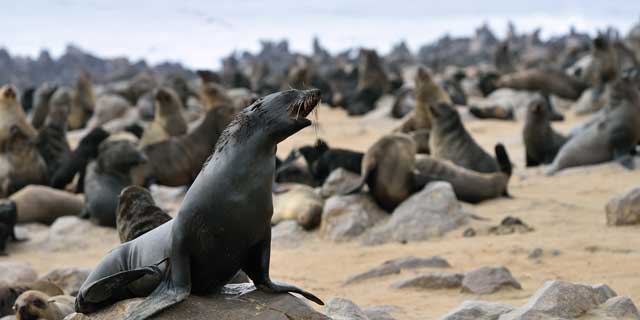 One of the world’s rarest mammals, the brown hyena, has a regular long distance commute from her home in the Namib Desert, Namibia to the coast to search for food for her and family – in the form of baby Cape fur seals. She then has to run the gauntlet of hungry jackals on her return journey.
All this incredible footage across the whole series brought to our attention how tough life is – and it’s getting tougher for many species across the world as the climate warms and wildlife poaching continues, despite the constant efforts of the brave rangers who try to thwart those who attempt it.
One couldn’t help but be moved by Sir David Attenborough’s concluding remarks about the plight of wildlife conservation in this final episode. Let’s face it, it hits hard when told the stark figures of: only two remaining northern white rhinos (a subspecies on the brink of extinction); the number of remaining wild cheetahs in the world is only 8,000; the number of elephants stands at only 350,000. And these are some of the world’s most iconic species. What chance then for thousands of other lesser-known species which rely on rapidly and continually declining ecosystems?
There are glimmers of hope though – mountain gorilla numbers are on the increase thanks to conservation efforts, and so too are the populations of many species of whales since whaling bans came into effect in 1986.
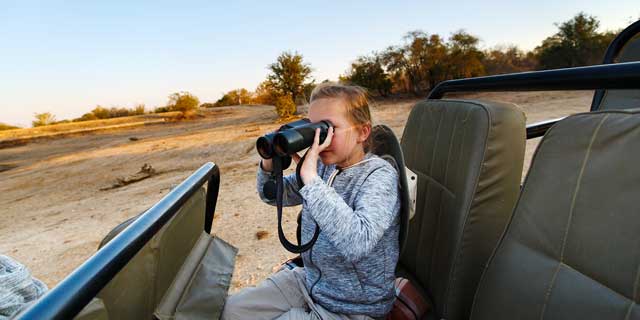 Children are often the advocates of real change and a holiday to see wildlife can be the catalyst to ignite further interest and a desire to help protect animals both at home and in other countries. We have a number of new tailor-made safari holidays to Africa and other destinations around the world, where you can experience wildlife conservation first hand. Or join a small group trip to travel with other like-minded families – perhaps on our Namibia Wildlife Adventure itinerary.
Talk to our specialists to find out more about our wildlife trips to Africa.