
A self-drive adventure encountering the best that Namibia has to offer. Witness stunning desert landscapes and a variety of African wildlife on this perfect family holiday.
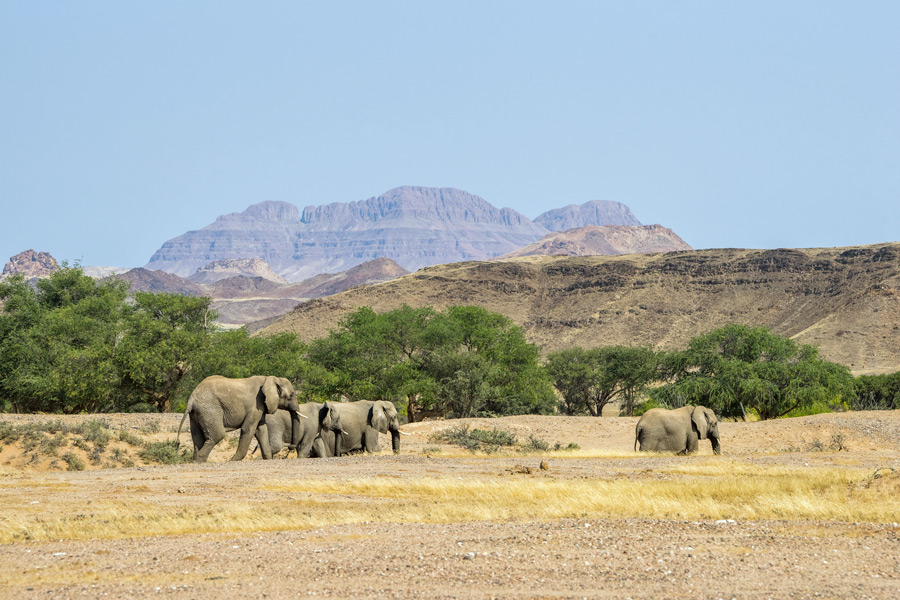
- Track desert elephants in Damaraland
- Learn about wildlife conservation with AfriCat Foundation
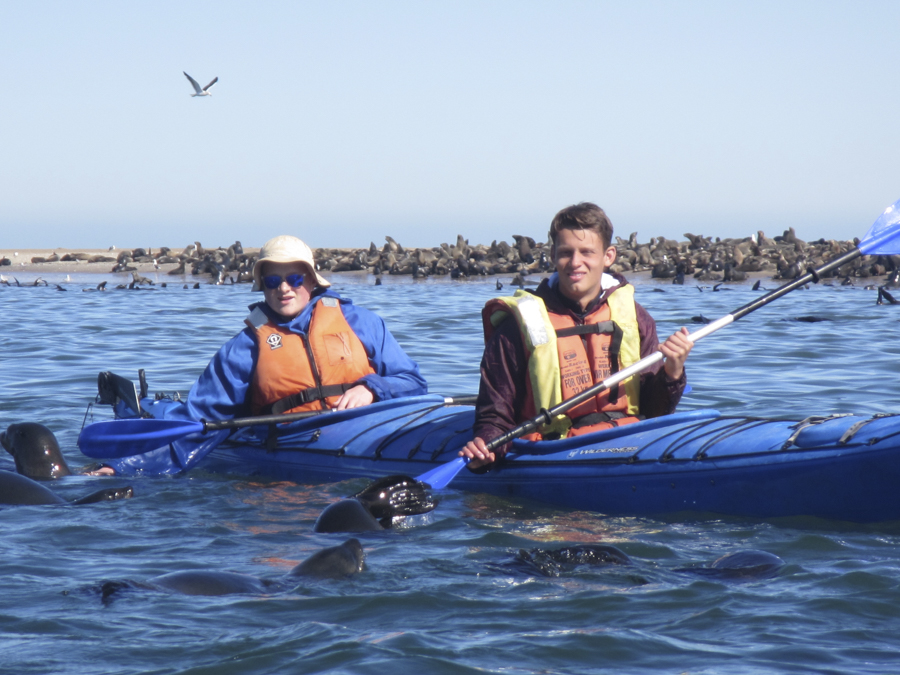
- 'Seal' kayaking or dolphin cruising along the Atlantic coast
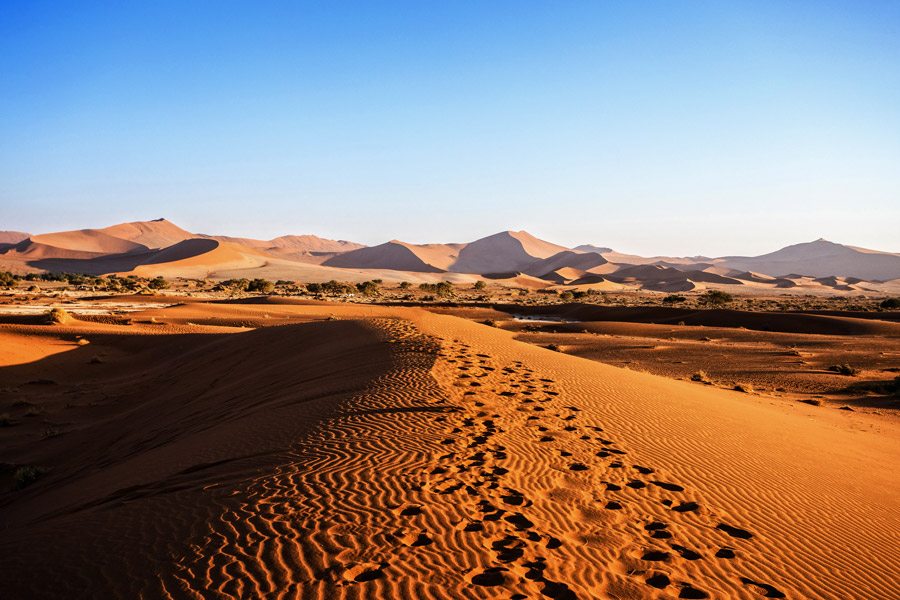
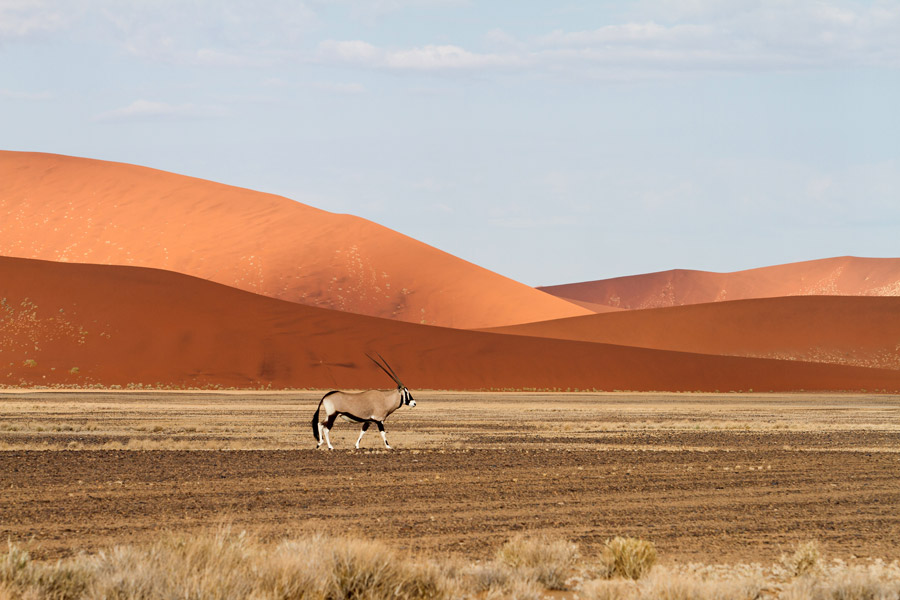
- Watch sunrise in the Namib Desert
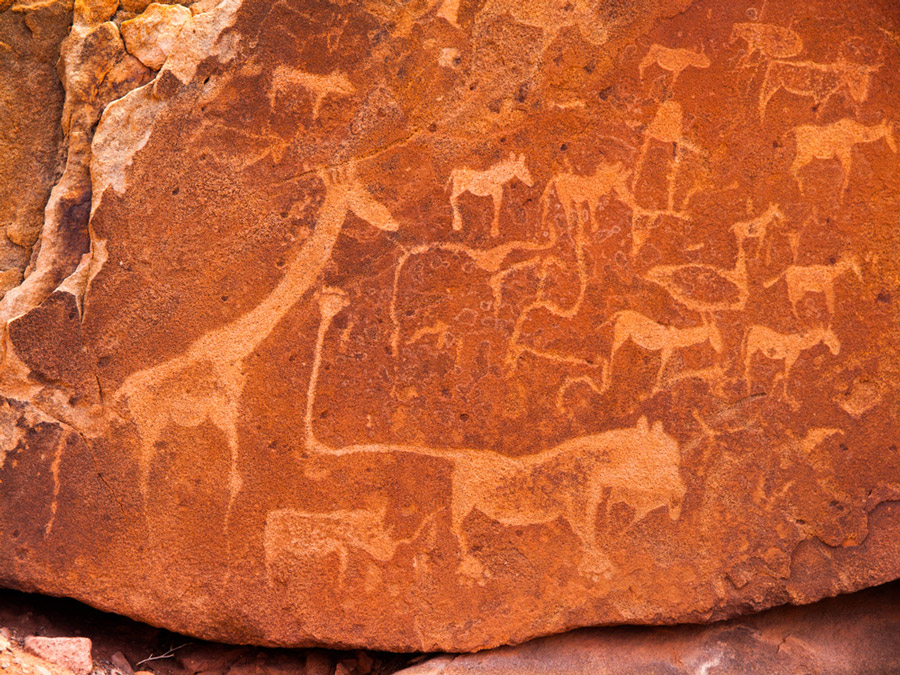
- Explore Twyfelfontein and 'The Giant's Playground'
- 2x4 off-road self-drive vehicle
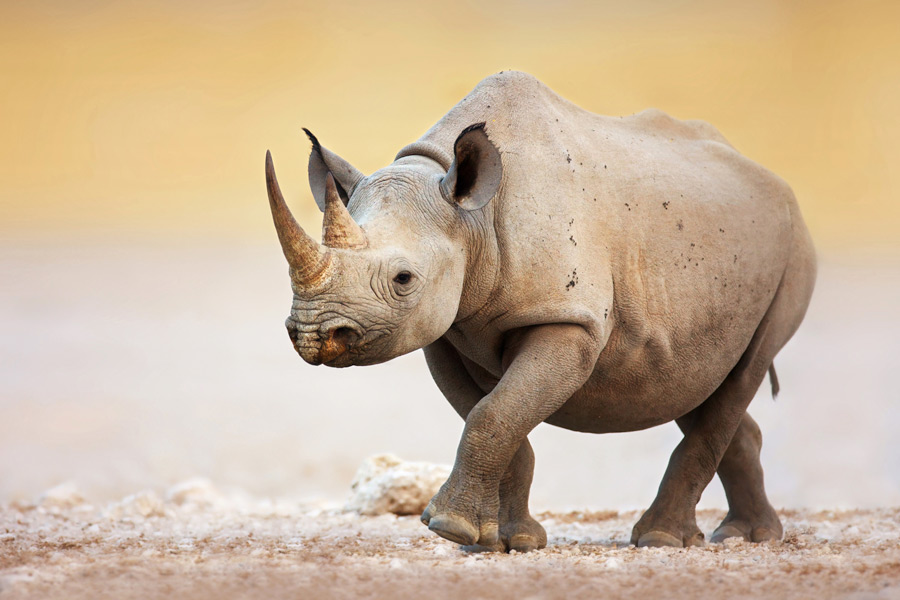
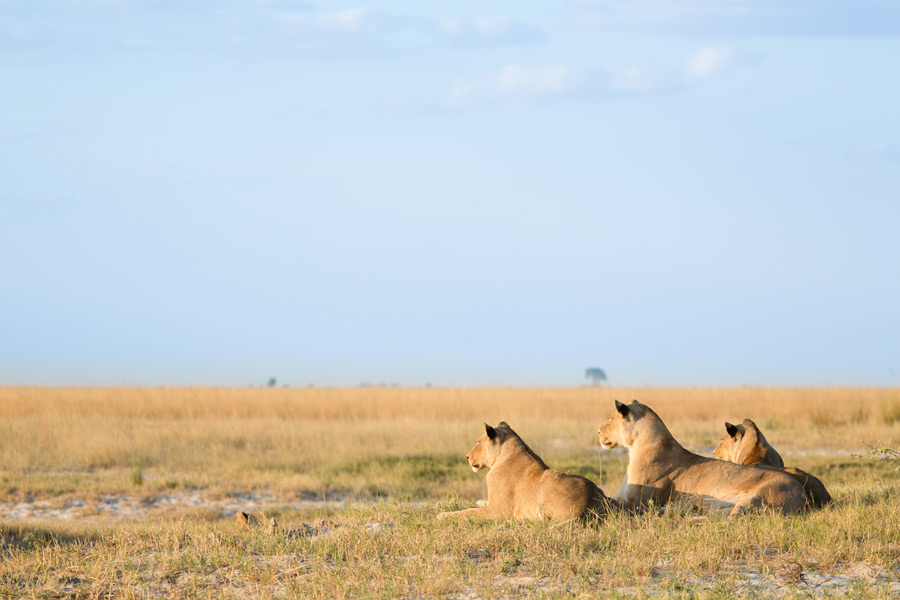
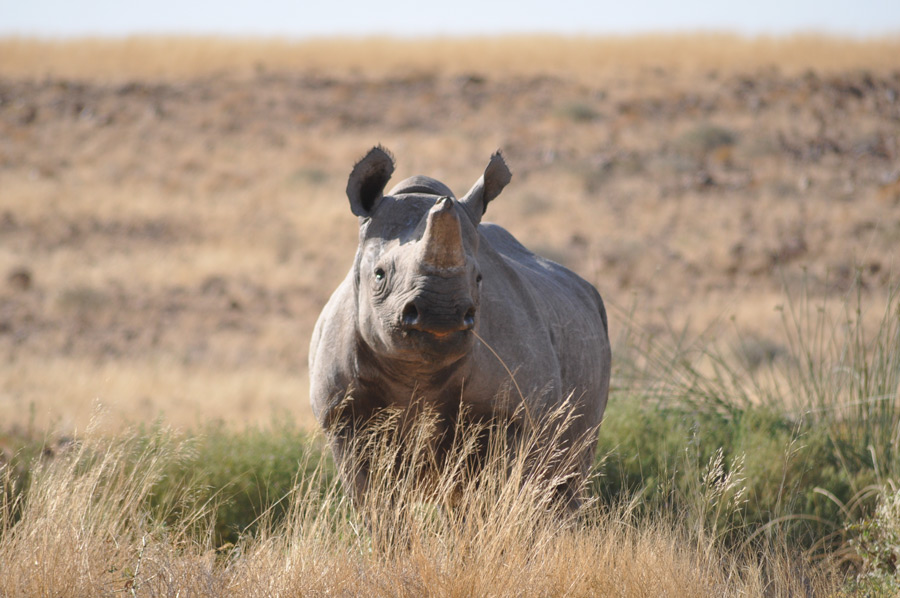
- Wildlife safaris in Etosha National Park

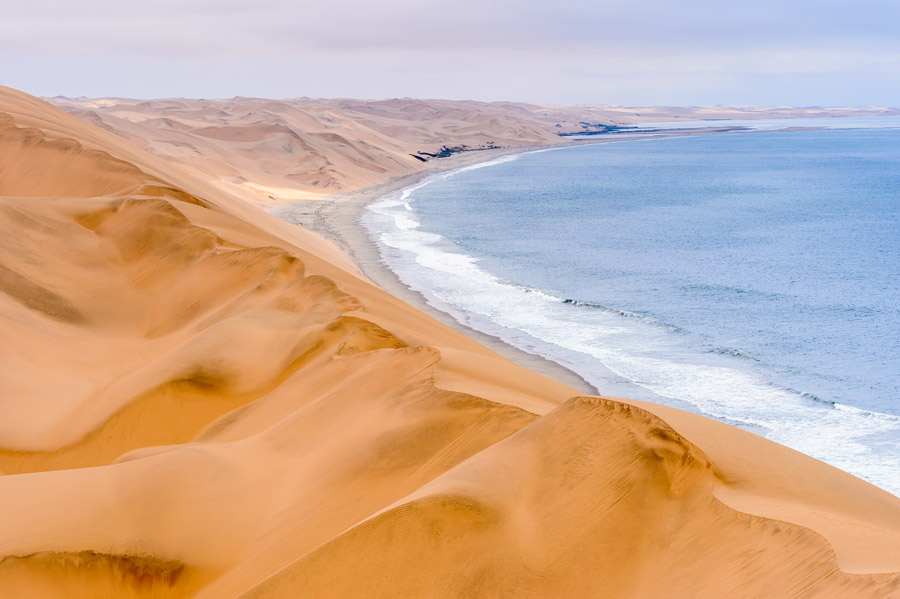
Namibia has plenty to offer for families – a genuine sense of adventure, wilderness, solitude and superb opportunities to view incredible wildlife.
Catch the sunrise and the changing colours of day over the Namib Desert, watch seals and dolphins at Skeleton Bay, marvel at the pre-historic rock carvings at Twyfelfontein, track desert elephant in the ancient landscape of Damaraland, head out on safaris in Etosha National Park and learn more about wildlife conservation from the AfriCat Foundation.
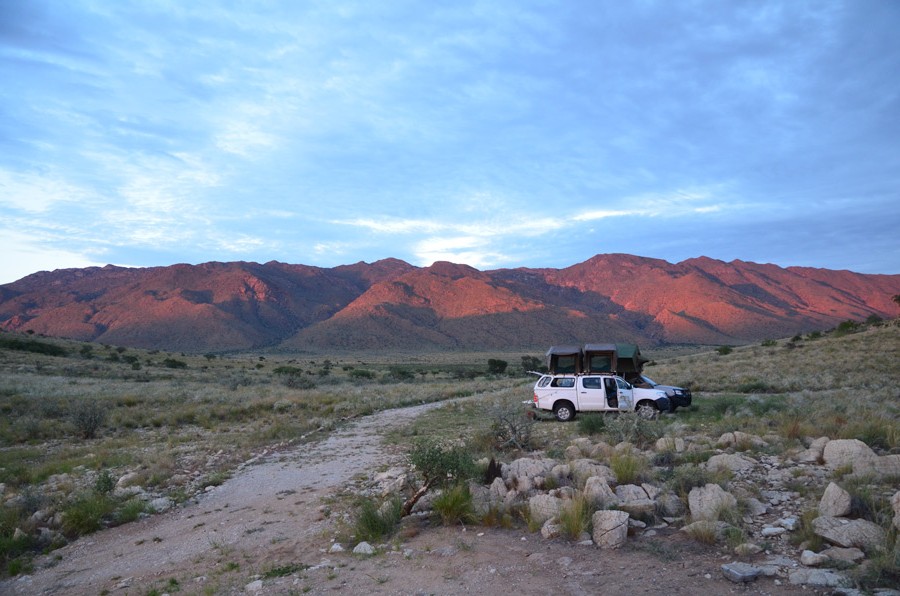
Driving yourselves in your own 2x4 off-road vehicle, this holiday will give you a sense of independence as you control where you stop and for how long. You will be fully supported from the UK and have access to in-country back-up if required.
This trip is also available as a 15 or 16-day itinerary, and with a glamping option. Speak to our friendly team to enquire.
Typical Itinerary
-
Day 1: Depart UK
-
Day 2: Arrive Windhoek
You will be met by our local supplier and taken to your first night's accommodation. Depending on your flight schedule, it may be possible to collect your self-drive vehicle today.
-
Day 3: Self-drive to Kalahari
Your first journey is designed to be an easy drive on a single tarred road - the only main road, in fact - that leads to the south of the country.
The route heads out of the city and across the Khomas Hochland - a high rolling plateau - that offers a true sense of the size and emptiness of Namibia.
Arriving in mid-afternoon, you will be able to set up your tents, create camp, familiarise yourself with all the equipment of your vehicle and prepare your evening camp meal on the braai.
-
Day 4: Self-drive to the Namib Desert
Your journey to the Namib Desert takes you south-west towards the Naukluft Mountains where you will encounter outstanding views across the flat lands, as you finally descend to sea level and head towards the Namib Desert.
There are many viewpoints that you can stop at for a picnic lunch, or you can stop at the tiny town of Solitaire where there is a fuel station, an excellent bakery and restaurant and a selection of classic car relics!
From Solitaire, it's a relatively short journey to Sesriem - the gateway to the Namib Desert - where you will set up for your camp.
-
Day 5: Dune 45 & Dead Vlei
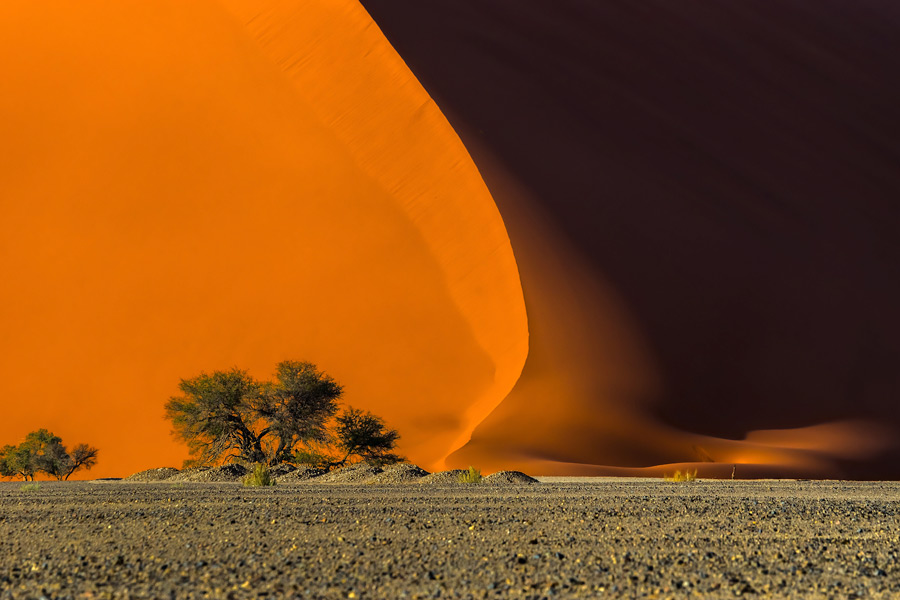
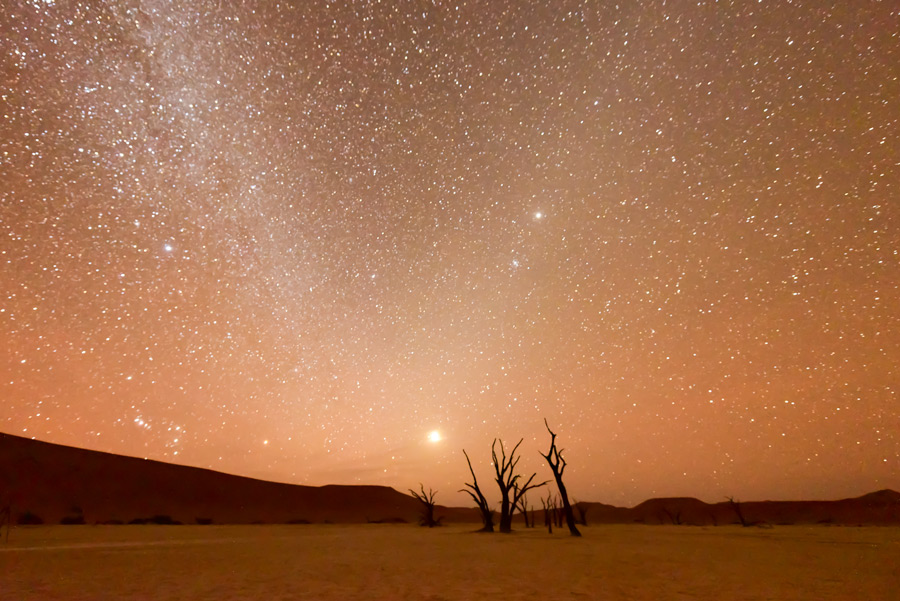
A pre-dawn start is essential this morning in order to catch the soft light of sunrise on the desert. This is the time to experience the colours of the desert at their very best!
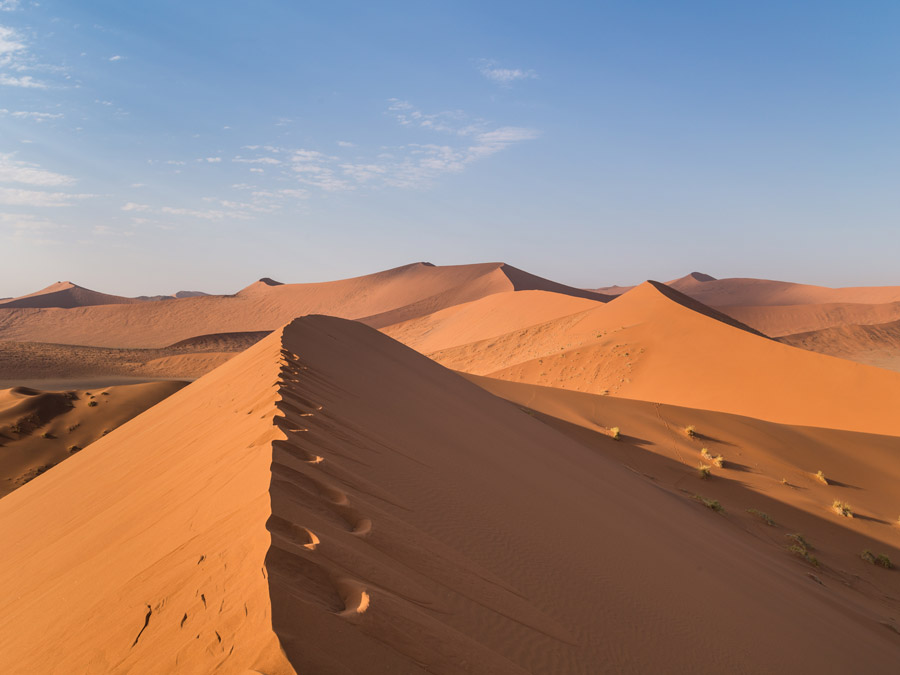
To witness one of the most dramatic and memorable sights in Namibia, we recommend that you first stop at Dune 45, one of the largest sand dunes in the country and watch the sun rise over the desert - an incredible sight.
After picnic breakfast at Dune 45 you can continue your journey on to Sossusvlei and the site of Dead Vlei.
Once there, you can explore the central areas of the desert by foot - for the most spectacular views over the desert, you may wish to climb 'Big Daddy' the largest dune in the area which provides a bird's-eye view into Dead Vlei itself.
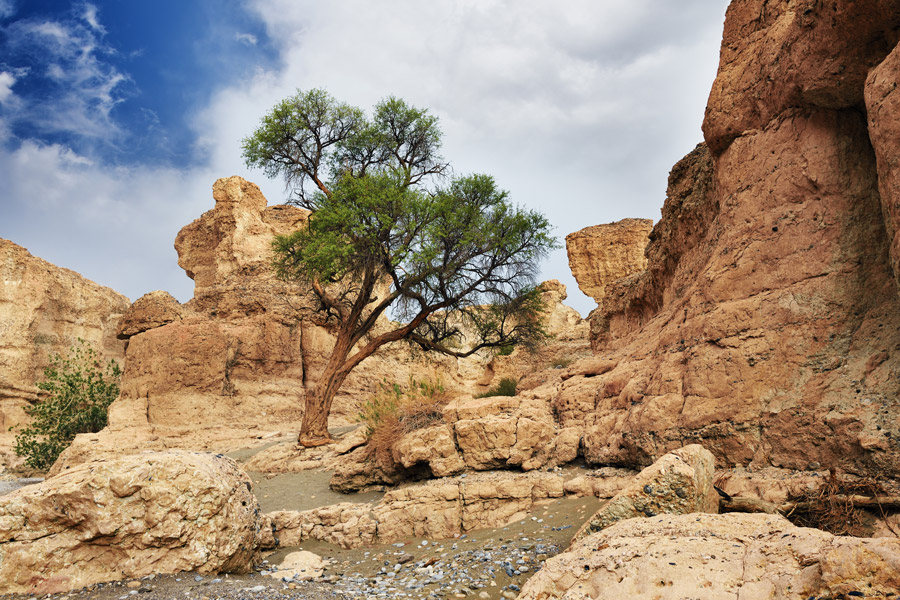
Your next stop, the Sesreim Canyon, is best visited in the late afternoon when the temperatures are cooler allowing you to enjoy the short walk through the canyon before sunset begins.
-
Day 6: Self-drive to the Atlantic Coast.
Leaving the dune fields behind, your route returns to the mountainous desert area and passes through Solitaire once more (stopping at the bakery - of course!) and then across the Tropic of Capricorn (pausing for an important family photo!).
From here your journey continuex northwards with many scenic viewpoints to stop at en-route - especially at the Gaub and the Kuiseb pass, where you carefully drive down to the dry riverbed at the bottom of the canyons before climbing up the other side and then marvel at how the spectacular desert landscape unfolds before you.
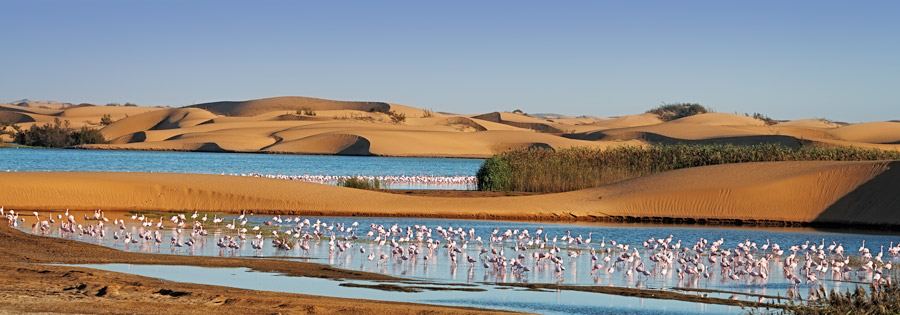
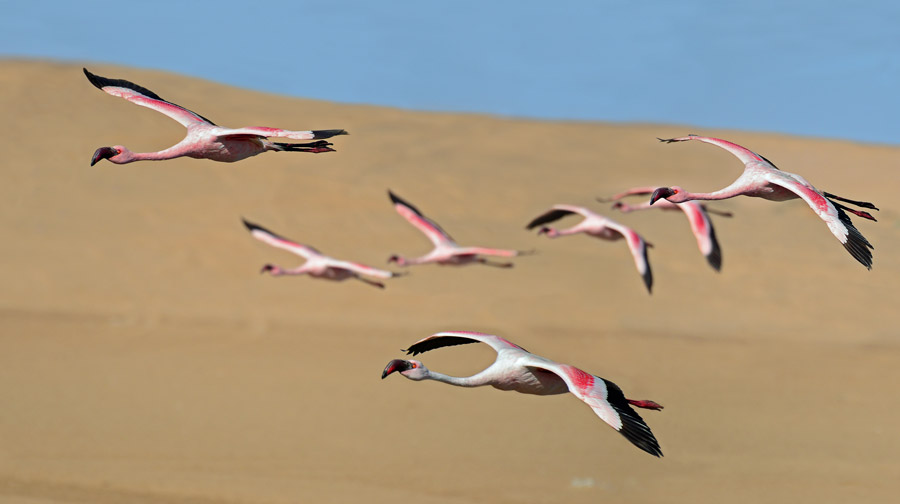
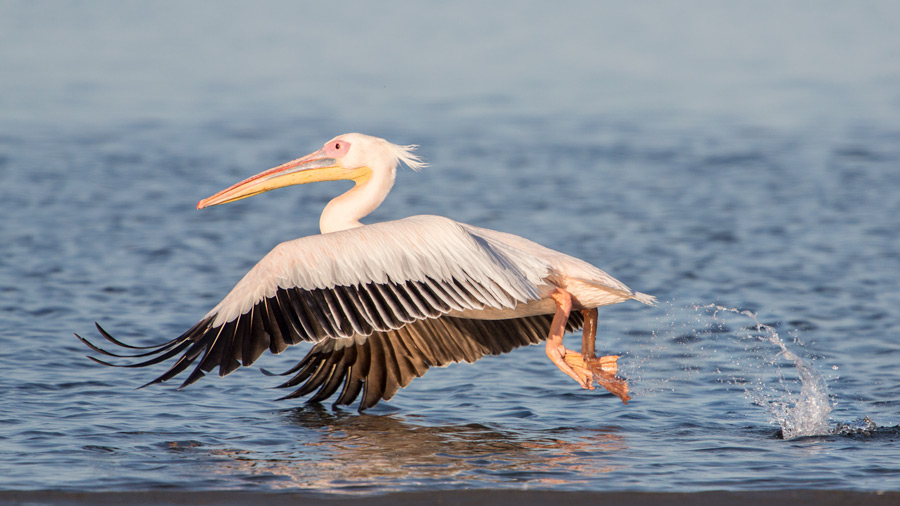
If time allows, you can head to the edge of the Walvis Bay Lagoon where you can view an abundance of coastal bird species including pelican. However, the main attraction is the enormous colony of greater and lesser flamingos which reside in the lagoon during Namibia's winter months.
From Walvis Bay, it's just a very quick journey to Swakopmund.
-
Day 7: Optional activities / leisure day
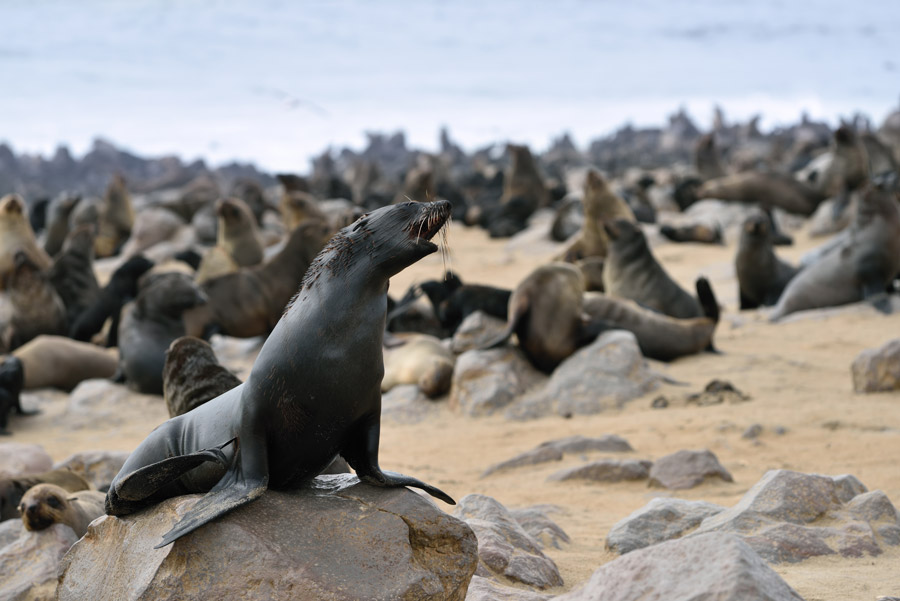
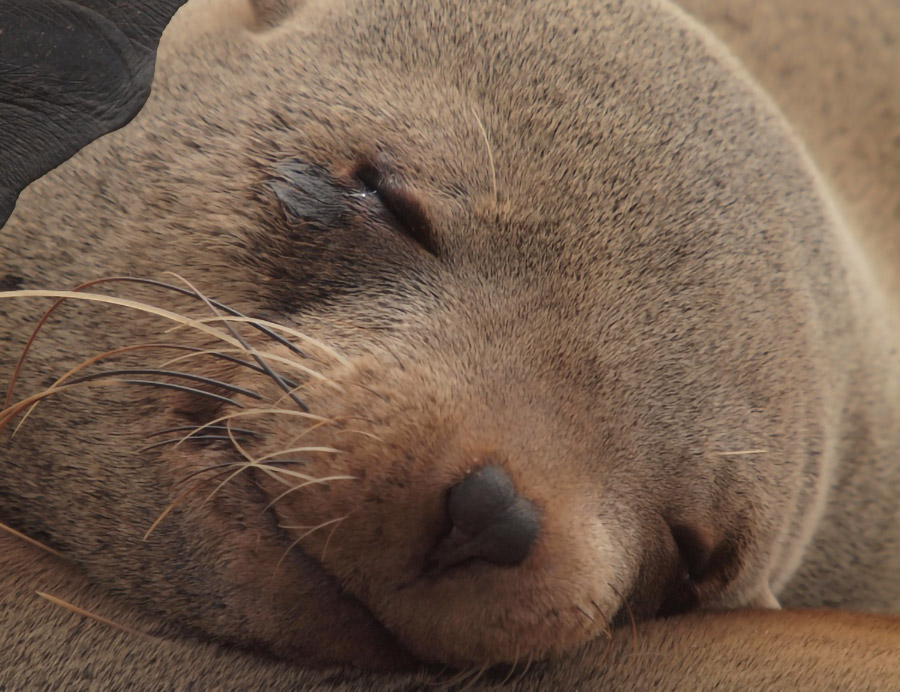
Today you can choose from a variety of optional morning activities such as 'seal' kayaking – where you can expect to experience close up interaction with playful Cape fur seals or a dolphin cruise around Pelican Point, where you may hopefully see any of the three different types of dolphins; Heaviside’s, dusky and Atlantic bottlenose.
Having enjoyed a morning activity, the afternoon can be spent relaxing and exploring the town. There's an excellent small museum which is well worth a visit, as is the town's aquarium. Alternatively, you may just wish to relax and unwind at your accommodation, do some shopping or head to one of the excellent restaurants.
-
Day 8: Self-drive to Damaraland
Leaving Swakopmund after breakfast, you take the northern coastal road and drive beside the beaches of the Skeleton Coast - pausing to view the remnants of wrecked boats - to the seal colony at Cape Cross, where thousands of Cape fur seals can be viewed (and smelled!).
Travelling towards the small old mining town of Uis you will pass many gemstone stalls - and Uis itself is one of the best places to buy semi-precious stones, for which Namibia is famous. From Uis you will pass the Brandberg Massif which (at 2,573 metres) is the highest point of the country and an ancient spiritual site for the native Bushman.
You then enter an incredible landscape affectionately known as The Giant's Playground, where the landscape is as dramatic as it is beautiful.
-
Day 9: Twyfelfontein
Twyfelfontein is one of the most culturally important sites in the entire country. This rocky site situated in the Kunene Region of north-western Namibia contains some 2,500 rock engravings on over 200 slabs of rock - one of the largest and most important concentrations of rock art in Africa.
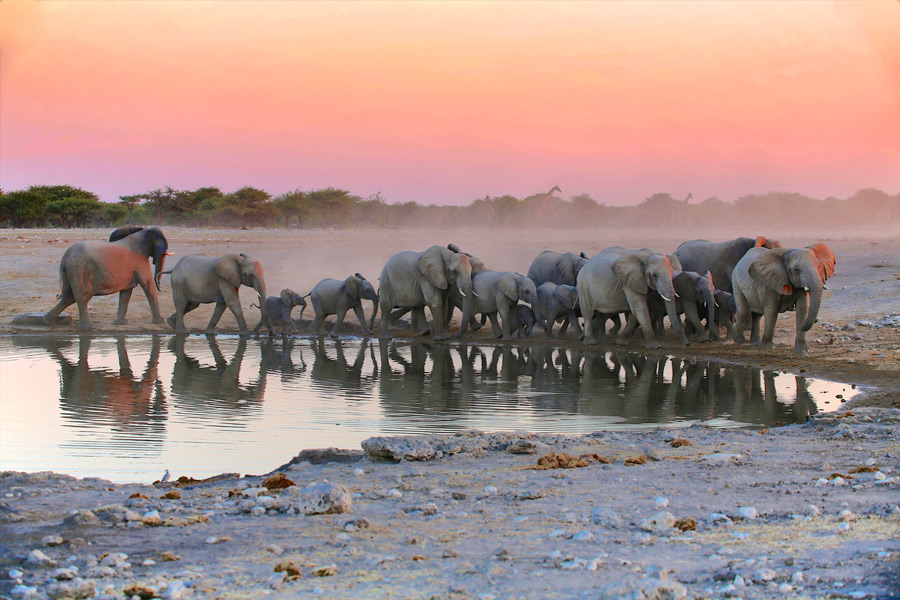
After visiting Twyfelfontein you can opt to join a guided safari in search of desert-adapted elephants this afternoon. Typically, these guided drives venture into the dried river of the Aba Huab, just north of Twyfelfontein.
Here you start to enter the border lands of Kaokoland, and you drive along the foothills of the enormous Grootberg Plateau.
Having settled in to your accommodation, you will be met by your guides for your Kaokoland excursion. They will explain the route you will be taking and the details of what to expect each day. They will also provide you with advice on what you should pack to take with you, as well as answer any questions you may have about the trip.
-
Day 10: Self-drive to Etosha National Park
Heading due east, you drive out of Damaraland to reach the central bushlands of the country - again keeping your eye out for birdlife and animals en-route.
The town of Outjo is the perfect stopping point for refuelling your vehicle and re-stocking your supplies before making the short journey to reach the southern gate of Etosha National Park.
As soon as you have completed your entry formalities at the gate, you enter the park itself so keep an eye out for wildlife - your safari starts here!
-
Days 11-13 : Safaris in Etosha National Park
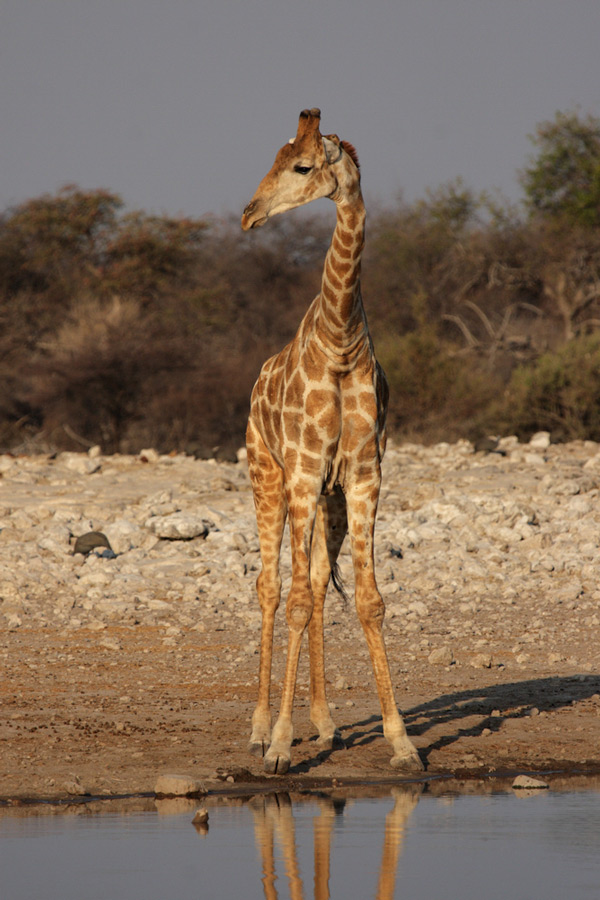
You have three incredible days of self-drive and guided safaris where you can encounter the amazing wildlife of Etosha, by exploring both the southern and eastern sections of the park.
The self-drive routes are simple to follow and use well-made gravel-graded roads that lead into the bush and beside the salt pans where you can hope to see a huge variety of animals.
The waterholes are most active during the morning, when countless animals emerge from the relative safety of the bush to quench their thirst. If you wish to try and observe predators, a sunrise start is required - when the gates of your campsite open - the coolest part of the day.
Returning to camp for lunch and a rest is recommended, before heading out into the park again in the mid-to-late afternoon on either a guided ‘sundowner’ drive or for more self-drive discovery!
-
Day 14: Okonjima Private Reserve
We suggest rising early and spending the morning enjoying one last safari in Etosha, before making your way to exit the park. The journey due south is simple and on a tarred road. After Outjo you pass through the town of Otjiwarngo where you will see the Waterberg Plateau far in distance.
Not far from here, you turn off the main road into the Okonjima Private Reserve, where you enter an area of extreme beauty - and you should maintain a keen eye for the birds and animals that live here.
The track passes through a series of security gates and eventually leads up a small escarpment where the Okonjima lodge is located, also home to the AfriCat Foundation.
-
Day 15: Optional wildlife activities with the AfriCat Foundation
Today is the last day for your family to encounter the wildlife of Namibia, and enjoy very best that Okonjima offers - especially learning more about the work of The AfriCat Foundation, who are based on this private reserve.
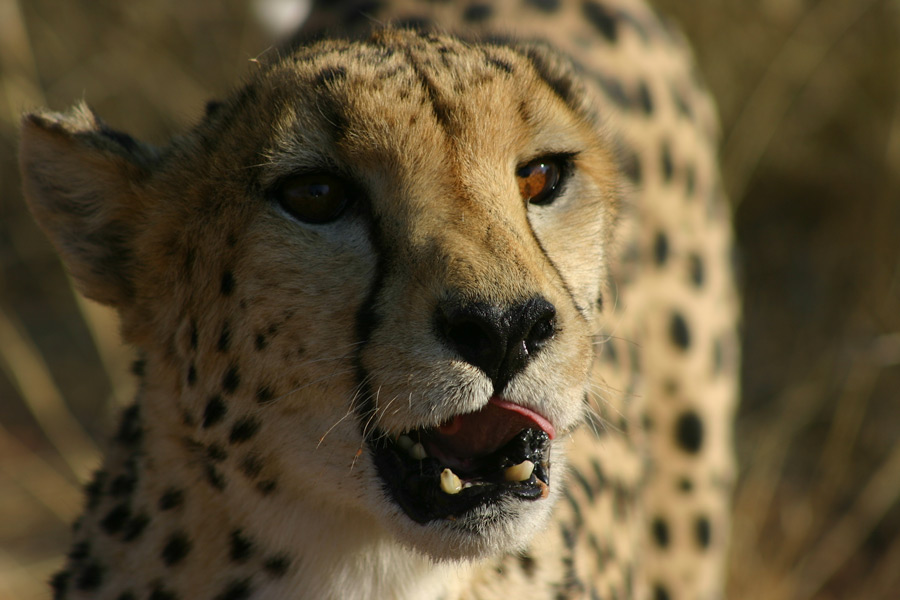
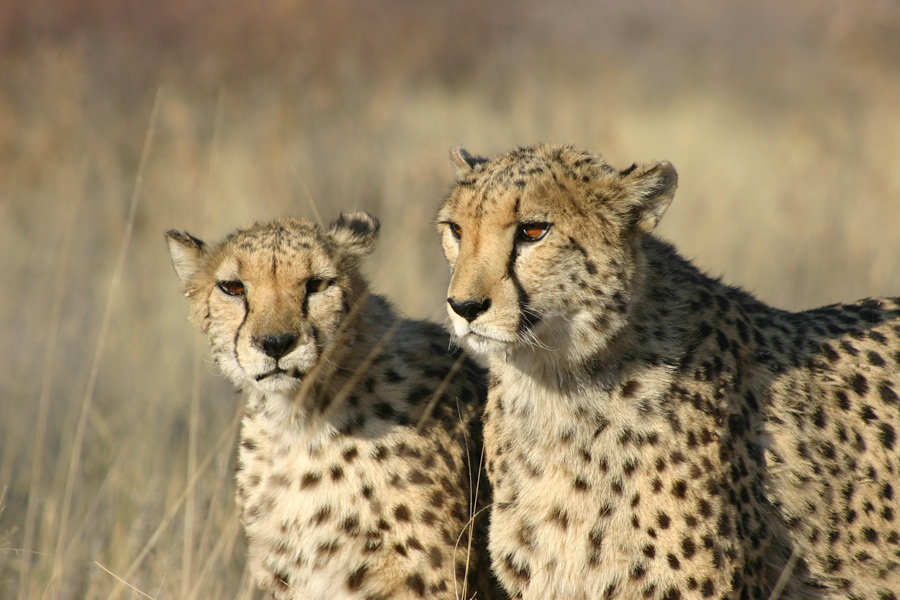
Guided early morning and afternoon game drives venture out into the reserve in search of the predators that have been re-homed in the reserve, by AfriCat - including leopard and cheetah. As many of the predators are collared, the guides normally use a telemetory device to help locate the animal.
A visit to the AfriCat education centre is also a must. Here a deeper understanding of the challenges faced by a conservation charity can be understood, as well as a greater awareness of the necessity for the work they undertake with communities and farmers across the country to sustainably manage and control human-wildlife conflicts.
-
Day 16: Return to Windhoek
The journey back to Windhoek is simple. Leaving Okonjima after breakfast, you can expect to arrive back in the capital at lunchtime, where you could either spend the afternoon relaxing at your accommodation, or head into the city to do some souvenir shopping.
-
Day 17: Depart Namibia
-
Day 18: Arrive UK
Please note: We also provide a glamping option if you would prefer, contact us to find out more.
Duration and Guide Prices
- Age Guide: 12+
- Itinerary Type: Tailor-made Holiday
When To Go
View dates and prices-
Summer
Our Tailor-made Holidays
Our tailor-made trip ideas can be adapted to suit your requirements. Contact our experts for a personalised itinerary.
Next Steps
Dates & Prices
Our trip ideas are flexible and can be offered during the date ranges below, on a date of your choice. To book, make a no obligation booking request with your preferred departure date or enquire to find out more.
| Daily Departures | Prices Per Person From
(Exc. Flights) |
Prices Per Person From
(Inc. Flights) |
|||||||
|---|---|---|---|---|---|---|---|---|---|
| Year | From | To | Duration | Adult price, excluding flights, from | Child price, excluding flights, from | Duration | Adult price, including flights, from | Child price, including flights, from | Options |
| 2026 | 1 Oct | 31 Oct | 16 days | £3,395 | £2,195 | 18 days | £4,795 | £3,495 | Book or Enquire |
| 2027 | 1 Jun | 31 Aug | 16 days | £3,495 | £2,295 | 18 days | £4,895 | £3,595 | Book or Enquire |
| 2027 | 1 Oct | 31 Oct | 16 days | £3,495 | £2,295 | 18 days | £4,895 | £3,595 | Book or Enquire |
For alternative dates, please contact us. We may be in the process of finalising further departures and are often able to tailor a holiday for you according to your own requirements.
Kindly note that we prepare our prices several months ahead of travel dates, and our flight-inclusive prices are provided as a general indication, based upon flight costs at the time of publication. Your quotation may vary, based upon the prices of flights (and the availability) at the time of your enquiry.